


The Role of International Logistics in Global Competition

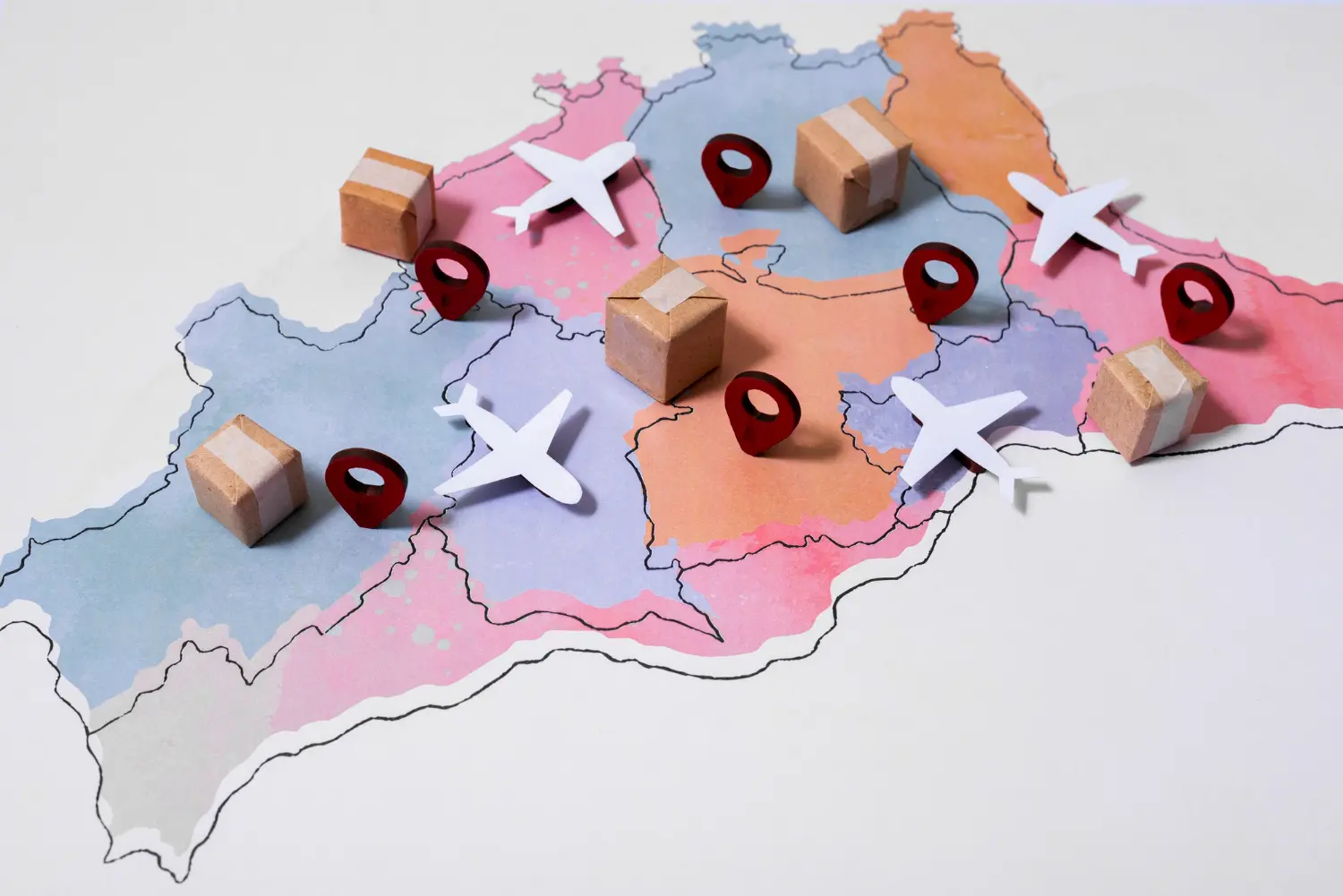
International logistics is more than just a transportation operation; it plays a decisive role in determining the speed, quality, and cost of exports. A comprehensive and professional logistics plan can contribute to business growth while reducing the risks associated with cargo transportation.
Types of Transportation
Depending on the volume, value, and destination of goods, exports may require different transportation methods. Sea freight is suitable for large and heavy shipments, air freight is ideal for sensitive and high-value goods, while land transportation is a suitable option for neighboring markets. Each method has its own advantages and limitations, and understanding them is essential for reducing costs and delivery times.
Professional and Secure Packaging
One of the key aspects of logistics is proper packaging. Packaging not only protects goods from damage but also ensures compliance with international standards and creates a positive customer experience. Using durable materials, accurate labeling, and protection against environmental conditions are among the essential measures.
Tracking and Door-to-Door Delivery
Real-time shipment tracking and Door-to-Door delivery services are among the major advantages of modern logistics. These services enable exporters to monitor shipments and ensure accurate and timely delivery to the end customer, increasing the trust and satisfaction of international buyers.
Conclusion
A professional international logistics system makes exports faster, safer, and more cost-effective. Companies such as , with their extensive transportation network, professional packaging services, and real-time shipment tracking, help exporters streamline and simplify the international trade process.